THE ORACLE AT GALAXY MANILA MARATHON 2026
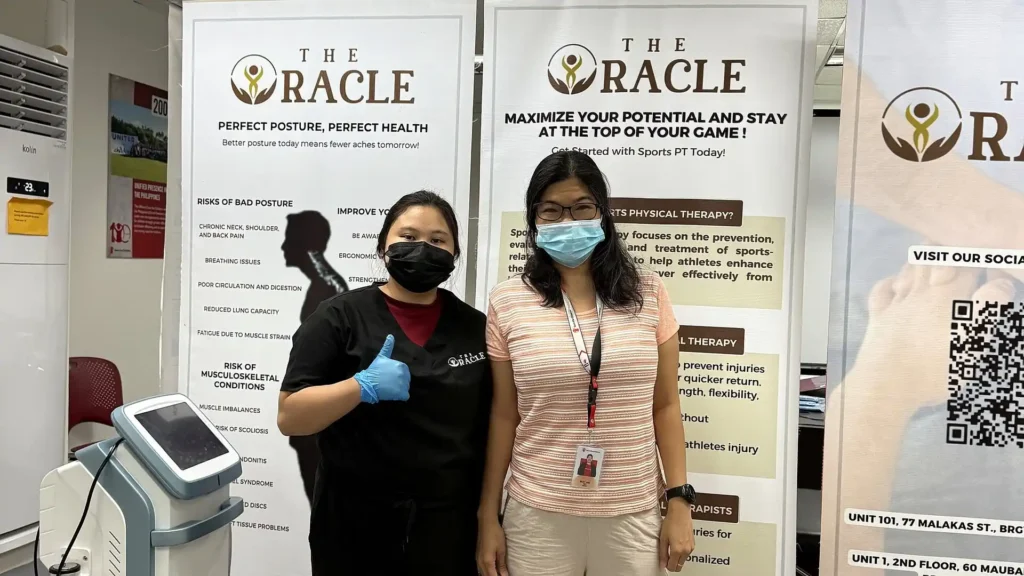
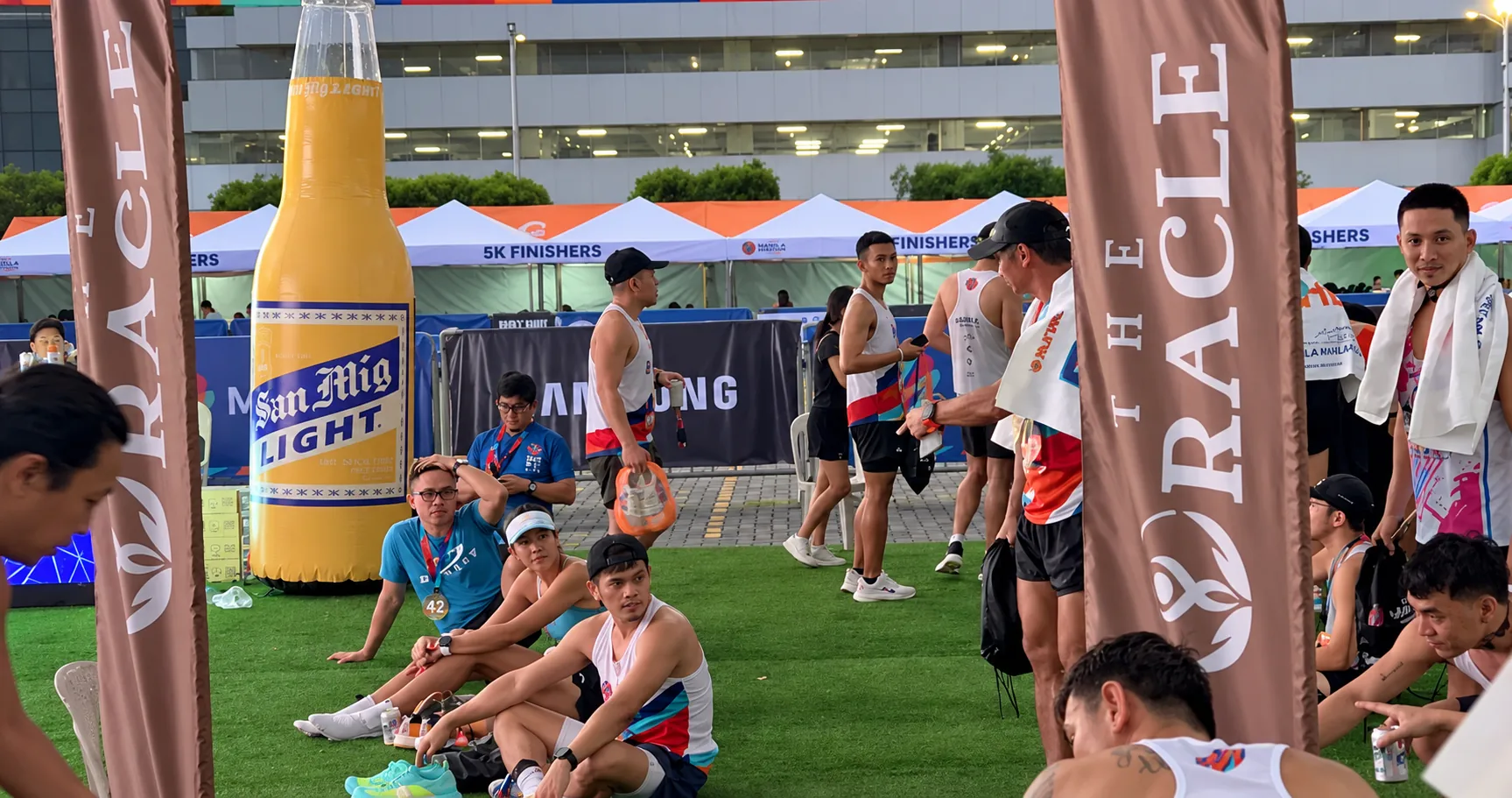
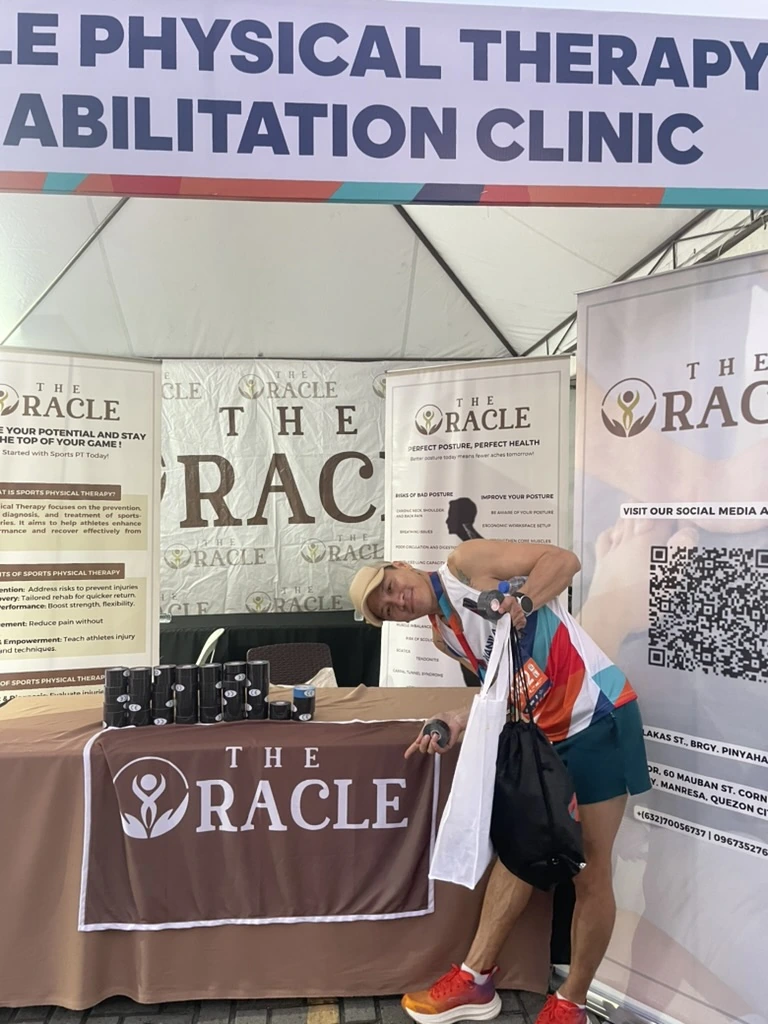
About 25,000 runners lined up at the starting point for the Galaxy Manila Marathon 2026, and this year, The Oracle PTRC joined the marathon in time for Independence Day. On the ground, we were part of the community that shares the joy, excitement, and high of running while experiencing and understanding the runners’ journey.
Our team believes that movement is medicine, and running is one way to build a connection with ourselves, our physical bodies, and the movement we can share with our new and ongoing patients.
The marathon started at the SM MOA Complex, stretched to SM North EDSA, and finished back at the SM MOA Complex. A different route was introduced for shorter distances. Each distance requires a different level of endurance, often demanding months of preparation before the marathon date.
There is no doubt that running has positive effects on the physical, emotional, and mental aspects of a person. It helps strengthen the cardiovascular system, improve stamina, promote better posture, and trigger the “feel-good” chemicals often called the runner’s high.
Role of Physical Therapy in Running
In running, physical therapy is essential before, during, and after each running session. Despite the many benefits of running, people who run are still prone to injuries and strain. These include:
- Runner’s Knee – Pain around or behind the kneecap, often caused by repetitive stress and improper tracking of the knee during running.
- Shin Splints – Pain and tenderness along the shin bone caused by repetitive stress on the muscles, tendons, and bone tissue around the lower leg.
- Achilles Tendonitis – Pain and stiffness in the Achilles tendon, usually resulting from repetitive strain or overuse.
- IT Band Syndrome – Pain on the outer side of the knee caused by irritation of the iliotibial (IT) band from repetitive movement.
At The Oracle, our physical therapists are trained in using evidence-based rehabilitation techniques, integrating manual therapy with advanced technology. We help manage running-related issues by helping you prevent injuries, improve movement, and recover from running-related conditions.
Understanding physical therapy in marathon training can also help runners prepare their bodies for the demands of long-distance running. The benefits of physical therapy for runners include addressing areas of weakness, improving mobility, supporting recovery, and helping runners move more efficiently.
Injury Prevention for Marathon Runners
Every session starts with warm ups before running. Studies show that dynamic stretches can help improve mobility more than static stretches.

Dynamic stretches involve active movements that help unlock your body’s full range of motion before any physical activity. Proper dynamic stretches, like high knees, jumping jacks, and heel-to-butt kicks, can support injury prevention for marathon runners. If you’re unsure which actions to do during a stretch, you can visit our page to learn more.
There are a few ways that physical therapy helps in avoiding injury. Running a marathon or practicing for one involves repetitive motion and high-impact forces. Since the activity itself requires full-body coordination, there is an unavoidable risk of injury.
One common practice in physical therapy to help prevent injury is a gait analysis. In a gait analysis, the physical therapist analyzes a runner’s unique stride, identifying any weak spots that may lead to an injury. Additionally, regular therapeutic exercises and manual therapy can help target weak areas, improve flexibility, support recovery, relieve muscle tightness, and enhance overall performance.
Community of Runners at The Oracle
Our own physical therapists are active fitness enthusiasts. Being part of the Galaxy Manila Marathon 2026 allowed us to experience the running community beyond the clinic and understand the preparation, challenges, and excitement that come with every runner’s journey.
For us, being part of the community means more than supporting runners when an injury happens. It means understanding their movement, helping them prepare, and being part of their journey toward better and stronger movement.