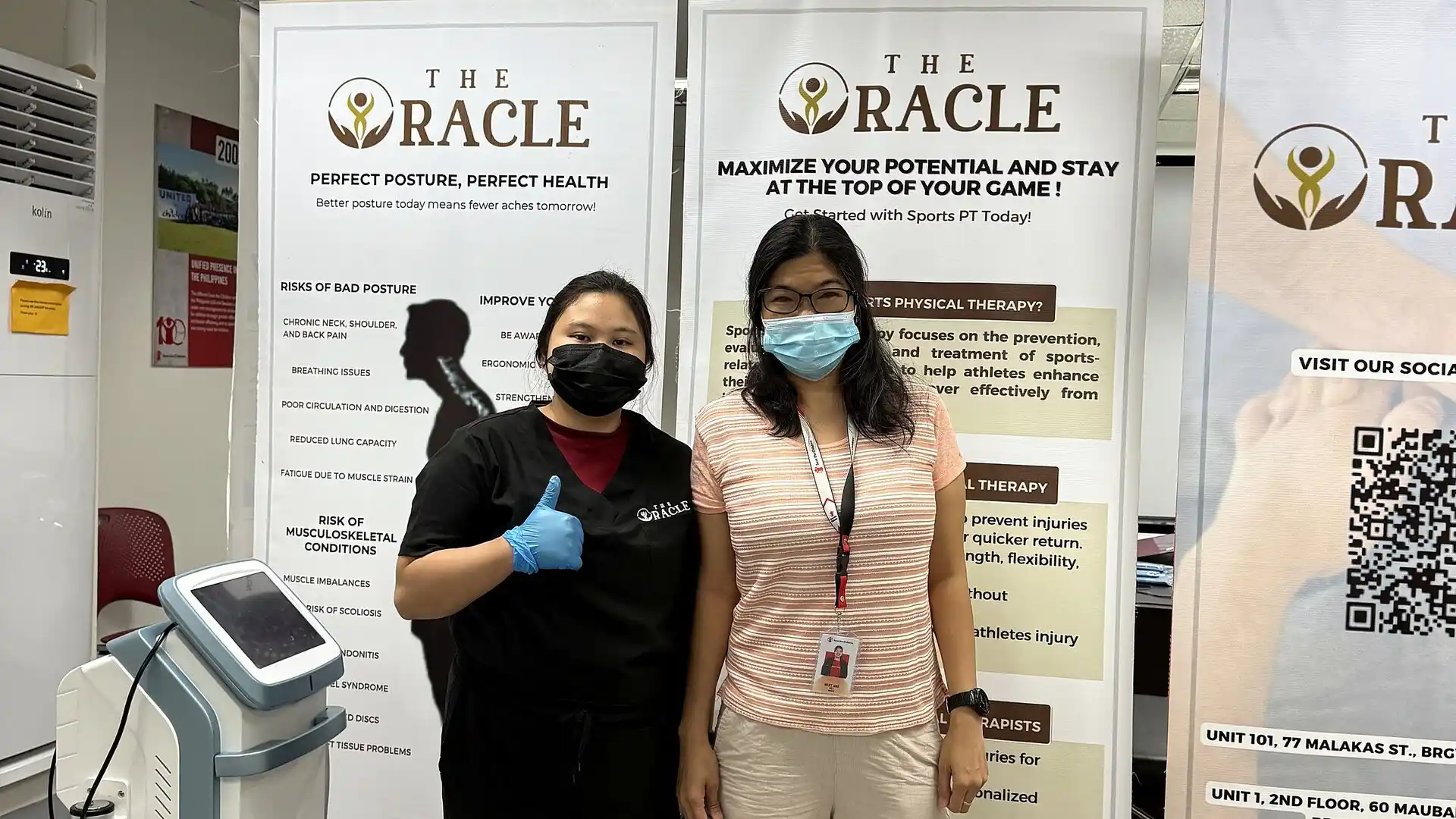
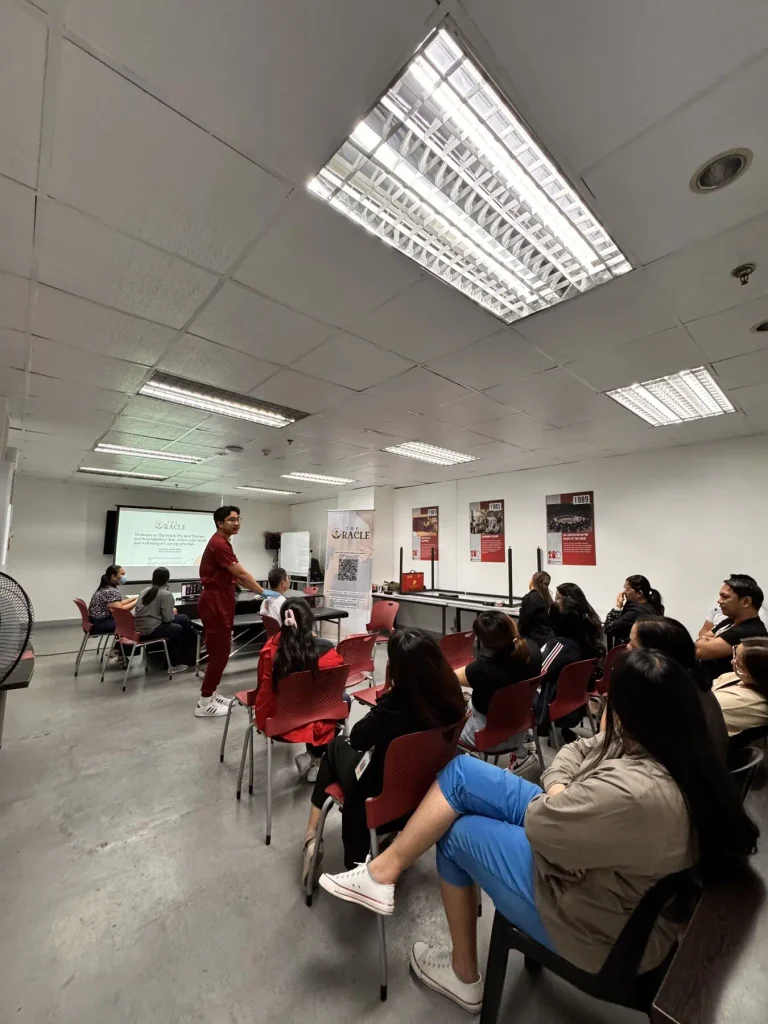
On April 29, 2026, The Oracle Physical Therapy and Rehabilitation Clinic took part in “Tech in Wellness: Shaping the Future of Health,” a forum hosted by BusinessWorld Insights at Dusit Thani Manila. The event brought together physicians, health executives, and policy advocates to discuss the future of technology in healthcare in the Philippines and what it means for patients across the country.
For a clinic built around restoring function and improving quality of life, the discussions offered more than industry commentary. They mirrored a shift already underway inside The Oracle’s own treatment rooms, where advanced equipment and hands-on technique are used side by side. Below is a look at what stood out from the panels, and how those same ideas already show up in the clinic’s approach to rehabilitation.
Why Technology Is Reshaping Healthcare and Physical Therapy
Healthcare technology has moved well past being a convenience. It’s becoming part of how care is delivered, tracked, and improved, and rehabilitation is one of the areas where that shift is most visible.
Three trends are driving the change:
- Telehealth and telerehabilitation — Virtual consultations and remote-guided exercise sessions let patients in distant or underserved areas access licensed therapists without traveling for hours.
- AI-supported diagnostics — Tools that help clinicians spot movement patterns or imaging abnormalities faster than manual review alone, though findings still require physician or therapist confirmation.
- Remote monitoring and wearables — Devices that track a patient’s vitals, range of motion, or activity levels between visits, rather than relying only on data collected during a scheduled appointment.
These tools shift how treatment decisions get made. Instead of relying on a single visit’s worth of information, therapists increasingly have access to trends over time, supporting more informed treatment planning and a more personalized rehabilitation experience. None of it replaces the judgment of a trained clinician. It gives the clinician a fuller picture, faster, so the decisions that follow are better informed.
Key Takeaways from the Tech in Wellness Forum
Several points stood out from the panel discussions at Dusit Thani Manila:
The access gap is about more than infrastructure. Even when basic health equipment reaches a barangay, unreliable internet connectivity and limited digital literacy can still keep residents from benefiting from digital health tools. Closing that gap requires training community health workers, expanding institutional support, and building clearer regulatory standards, not just deploying new devices.
AI needs regulation to be trusted in clinical settings. Panelists noted that AI can help extend healthcare access, particularly in areas with a shortage of specialists, but the Philippines still lacks clear regulatory guidance on how AI should be used in clinical decision-making. The consensus: AI-generated recommendations still require a physician or health professional to confirm they’re appropriate for the individual patient.
Collaboration between providers, insurers, and regulators is a prerequisite, not an afterthought. Expanding healthcare coverage and strengthening accountability in digital health systems need to move in step with new technology rollouts, not follow years behind it.
Prevention is a financial argument, not just a clinical one. A significant share of health maintenance organization (HMO) costs comes from inpatient and emergency admissions tied to chronic conditions that could have been managed earlier. Panelists argued that investing in prevention, early intervention, and workplace wellness programs is a financially sound strategy, not just a health-outcomes one.
Advanced Technology for Smarter Healing at The Oracle
The forum’s central theme, that technology should extend a clinician’s judgment rather than replace it, is the same philosophy behind The Oracle’s own clinics. As part of its ongoing investment in digital health innovation, The Oracle uses advanced physical therapy equipment to provide safe, effective, and efficient recovery, pairing that equipment with expert hands-on care so patients get the most precise results possible.
That combination shows up across the clinic’s core techniques:
- Electrotherapy and ultrasound use targeted electrical impulses and sound waves to stimulate muscles, ease discomfort, reduce inflammation, and speed tissue repair, giving therapists a consistent way to support healing between manual sessions.
- Red light therapy applies therapeutic light to support cell regeneration and reduce pain, complementing manual work rather than standing in for it.
- Dry needling and dry cupping target trigger points and tight muscles directly, releasing tension and improving blood flow for patients dealing with chronic stiffness or slow recovery.
- Spinal manipulation and soft tissue release remain hands-on by design, restoring alignment and mobility in ways no machine substitutes for.
- Sports recovery and injury prevention programs bring several of these tools together into a plan built around each patient’s movement patterns and goals.
Each of these reflects the same lesson raised at the forum: a device can flag a trend, speed up recovery, or make treatment more precise, but a trained physical therapist still decides how, when, and whether to use it.
What This Means for Physical Therapy and Rehabilitation
These broader healthcare themes translate directly into how rehabilitation is practiced day to day.
Better patient assessments. When therapists have more consistent data about how a patient moves, recovers, or responds to treatment over time, they can build a more accurate picture of what’s actually working. Motion tracking and structured progress logging make it easier to catch small setbacks before they become bigger problems.
More targeted treatment planning. Instead of adjusting a program based on a single session’s observation, therapists can review trends across multiple visits and make more precise decisions about pacing, intensity, or exercise selection.
Progress monitoring that keeps patients engaged. Being able to see measurable improvement — range of motion, strength, or endurance — tends to keep people more invested in their recovery plan, and that consistency often determines how well a rehabilitation program actually works.
Clearer patient education. Visual explanations of an injury, a treatment plan, or a home exercise routine make it easier for patients to understand why each step of their care matters, which supports better adherence outside the clinic.
Why The Oracle Shows Up at Forums Like This
Attending Tech in Wellness reflects how The Oracle approaches rehabilitation more broadly. Care starts with evidence-based, personalized treatment: no two patients recover the same way, even with similar diagnoses, so assessments, programs, and the equipment brought into them are built around each patient’s specific condition and goals rather than a one-size-fits-all protocol.
Showing up at industry forums, tracking professional development, and following how physical therapy technology evolves all help the clinic understand what’s realistic to bring into rehabilitation practice, and what still needs more evidence or regulation before it’s ready for widespread use. Patients interested in seeing this approach firsthand can book an assessment with The Oracle in La Union.
Looking Ahead, Beyond the Forum
The direction of healthcare technology in the Philippines still has real gaps to close, from internet connectivity in rural areas to clearer AI governance. But Tech in Wellness made a strong case that the trajectory is toward more accessible, more preventive, and more collaborative care, a conversation The Oracle intends to stay part of, not by chasing every new tool, but by evaluating which ones genuinely support better rehabilitation outcomes for patients.
Frequently Asked Questions
1. What was the “Tech in Wellness: Shaping the Future of Health” forum about? It was a healthcare forum hosted by BusinessWorld Insights at Dusit Thani Manila on April 29, 2026, where health leaders discussed how technology is transforming healthcare access, patient care, and the shift toward preventive wellness in the Philippines.
2. What kind of technology does The Oracle use in treatment? The Oracle combines hands-on techniques like spinal manipulation, soft tissue release, and manual therapy with modern rehabilitation equipment, including electrotherapy, ultrasound, red light therapy, dry needling, and dry cupping, to support faster, more targeted recovery.
3. Does using technology in rehabilitation mean less time with a physical therapist? No. Technology supports a therapist’s expertise rather than replacing it. Tools can track data, ease pain, or speed tissue repair, but assessment, hands-on treatment, and program adjustments remain guided by a licensed therapist.
4. Is AI used in physical therapy in the Philippines regulated? Not yet comprehensively. As discussed at the Tech in Wellness forum, the Philippines currently lacks clear regulatory standards for how AI should be used in clinical decision-making, meaning AI-generated recommendations still require confirmation from a licensed physician or therapist.
5. What is the difference between reactive and wellness-focused healthcare? Reactive healthcare responds to symptoms after they appear. Wellness-focused healthcare emphasizes prevention, early intervention, and long-term health maintenance, an approach increasingly emphasized across the Philippine healthcare industry, including in physical therapy.